Satalia were called into Xaxis to help optimise work distribution using machine learning and AI. The original idea was that Satalia could build an engine that took into account every worker’s skills, likes, dislikes, and career goals and use this information to help to distribute tasks to those workers who were most suited or benefited.
User Needs
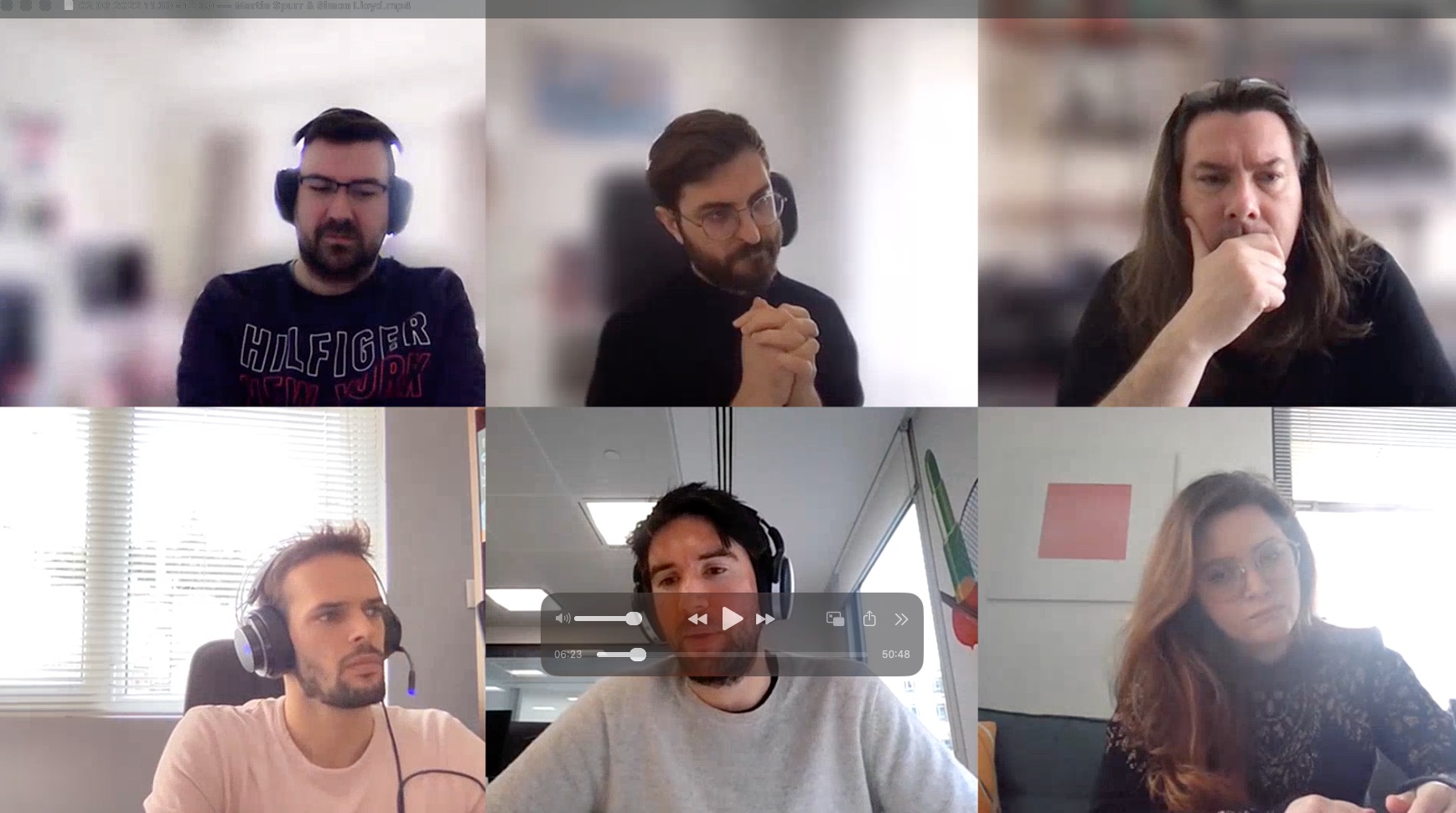
The first thing I needed to do was to find out what task distribution was already happening, how those decisions were being made, and how both sets of people (the managers and the workers) felt about it. I asked for a number of interviews with staff at different levels of the business and designed an interview script that captured everything I wanted without leading the interviewees.



Unexpected Outcome
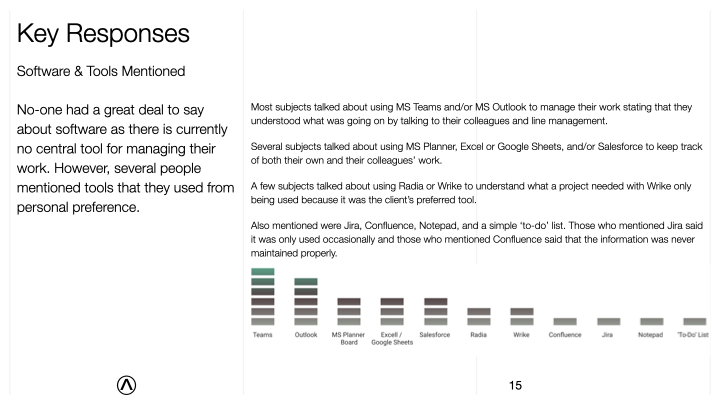
The interviews revealed something that was unexpected for both Satalia and Xaxis. While there were company practices defined for the distribution and monitoring of work and workloads, none were being used. This was mainly because the processes that had been defined were wholly unsuitable for the way the work was coming into the company. Instead of work coming in through a point where it could be evaluated and distributed, work was entering the company at all levels based on direct client relationships with low-level workers who felt unable to decline or pass on jobs that they felt were unsuited to them or better suited to someone else.
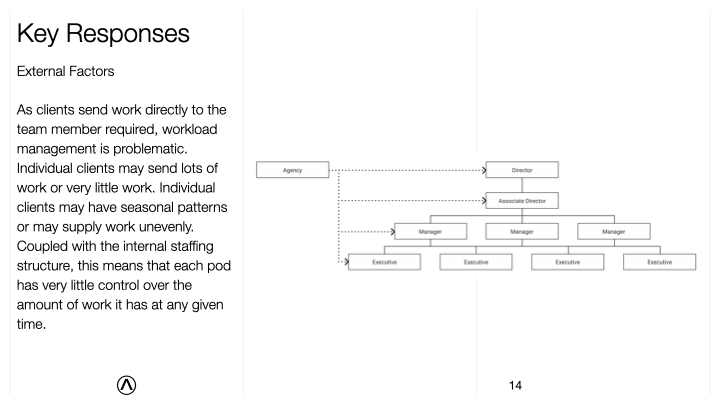
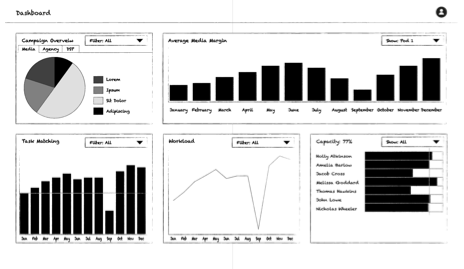
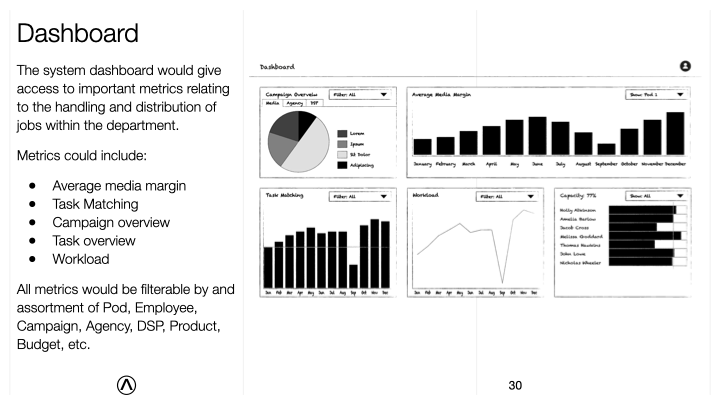
I also drafted what a hypothetical AI/ML-driven task allocation system might look like.
This new information was compiled into a report and shared with Xaxis. The client was very grateful for this discovery and continues to work with Satalia to try to find a solution that maintains a strong client relationship but allows for more flexibility in assigning tasks.